Youth Skilling And Livelihoods
Turning Potential Into Opportunity. Building Careers, Not Just Skills.
India’s youth represent one of the country’s greatest opportunities — and one of its most urgent responsibilities. With the largest youth population in the world, India has a demographic dividend that, if harnessed well, can drive decades of inclusive economic growth. But this dividend only materialises when young people have access to the right skills, the right opportunities, and the right support systems.
The reality for millions of young people — particularly from low-income urban households, rural backgrounds, or marginalised communities — is starkly different. School dropouts, skill mismatches, a lack of professional networks, limited awareness of market opportunities, and deep-seated barriers around gender and caste continue to shut young people out of dignified economic participation.
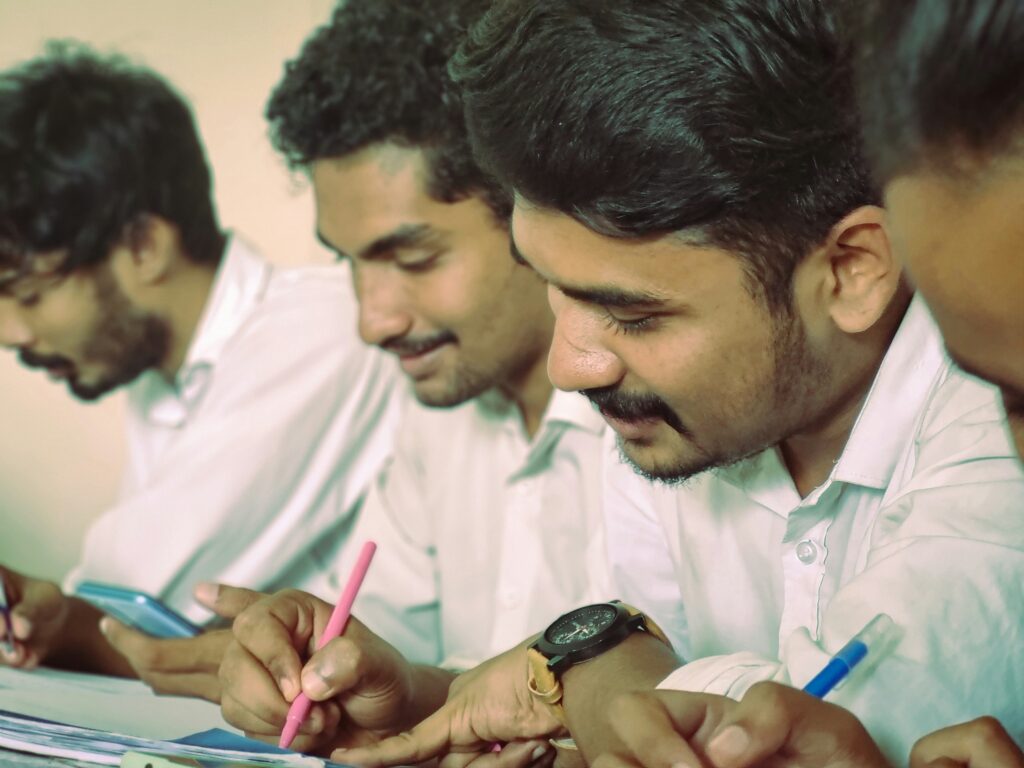
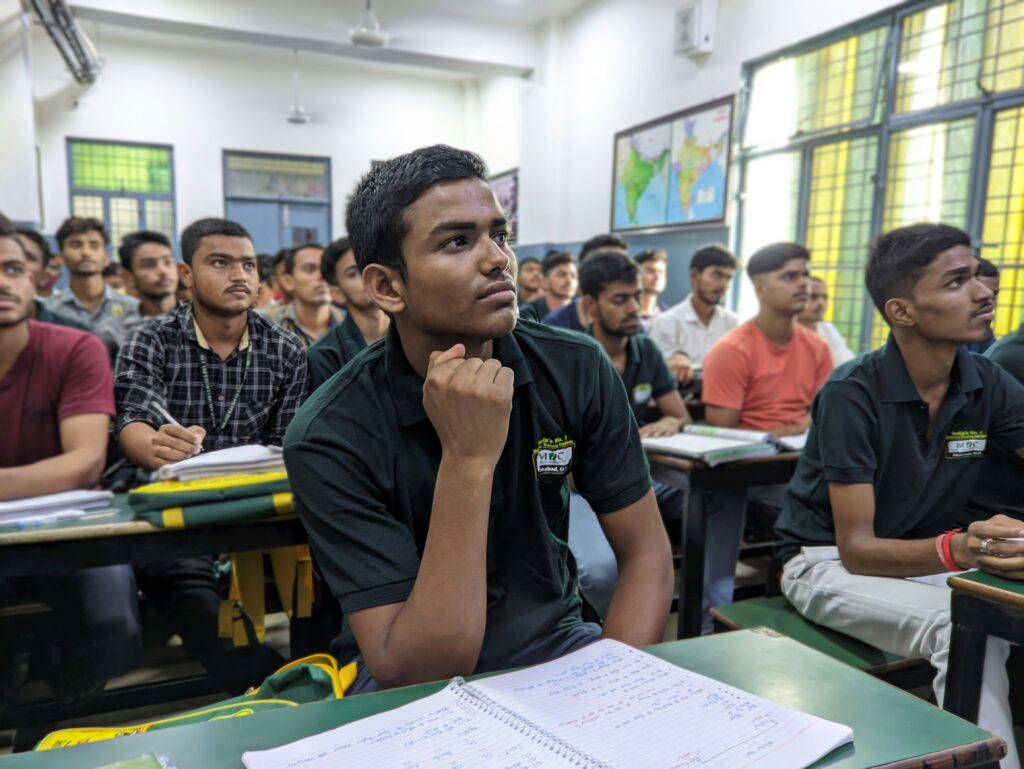
Hira Foundation’s Youth Skilling & Livelihoods programs are built on a simple but powerful belief: every young person has the capacity to build a meaningful, self-sustaining livelihood — if given the right opportunity, training, and support. We work with youth between the ages of 16 and 30, with a particular focus on young women, first-generation learners, school dropouts, and youth from marginalised communities.
What We Do
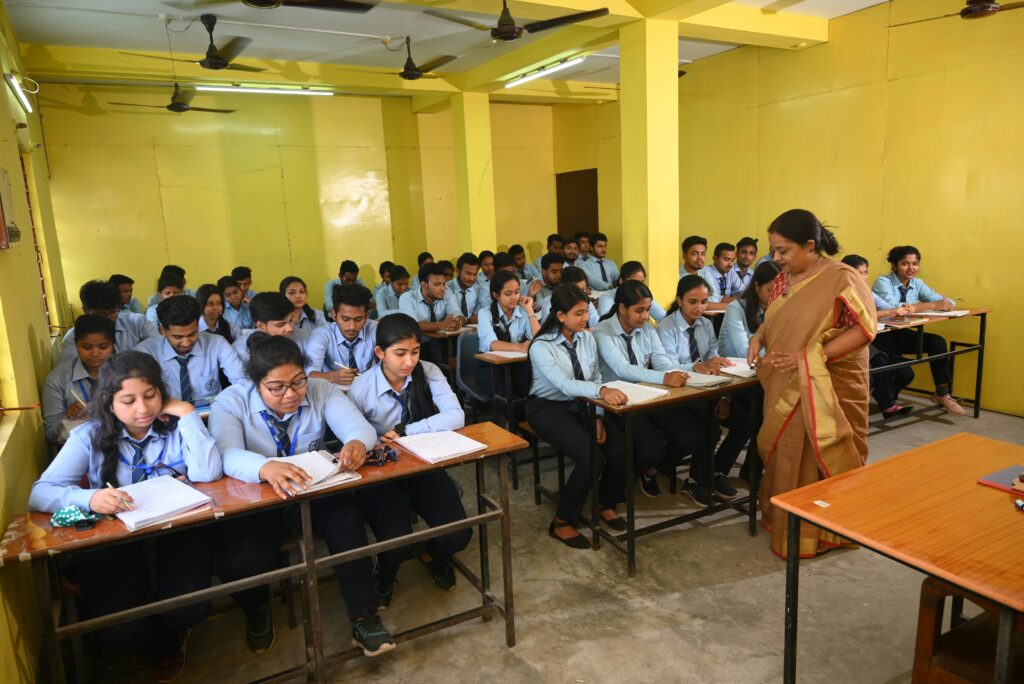
Our livelihood programs combine hard skills with equally important soft skills, market intelligence, and practical placement support. We work not just on training, but on the full employment journey — from building confidence and awareness, to skill development, to job placement and post-placement follow-through. We also support young entrepreneurs who want to build their own micro-enterprises rather than seek employment.
Key Focus Areas
Our Approach
We design our programs in close consultation with local employers and industry stakeholders to ensure that training is aligned with actual market demand — not generic curricula. We prioritise quality over scale: we would rather deeply impact 50 young people than superficially train 500.
Our approach is also deeply gender-responsive. We actively address barriers that prevent young women from accessing and completing livelihood programs — including family awareness sessions, female-only training batches where needed, safe transportation support, and linkages to women-friendly employers.