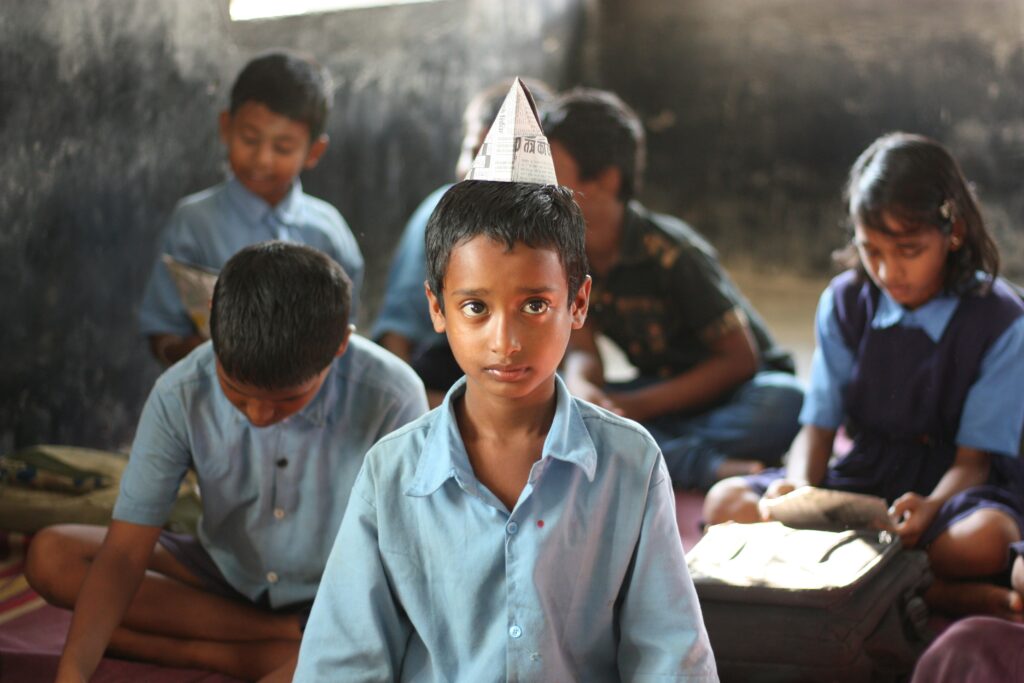
Civic Participation and Governance
Informed Citizens. Accountable Communities. Thriving Democracy.
Democracy is only as strong as the citizens who participate in it. When people understand their rights, know how to engage with governance systems, and feel confident claiming the entitlements they are owed, they become powerful agents of positive change — for themselves and their communities. But when civic awareness is low, when government processes feel distant and inaccessible, and when communities do not see themselves as stakeholders in governance, the result is a widening gap between policy intent and lived reality.
This gap is most visible in India’s most underserved communities — urban informal settlements, rural villages, and marginalised populations — where a lack of civic literacy, documentation barriers, and institutional indifference combine to exclude millions from the benefits of public programs and democratic participation. People who are unaware of their entitlements cannot claim them. Communities that do not engage in governance processes cannot shape them.
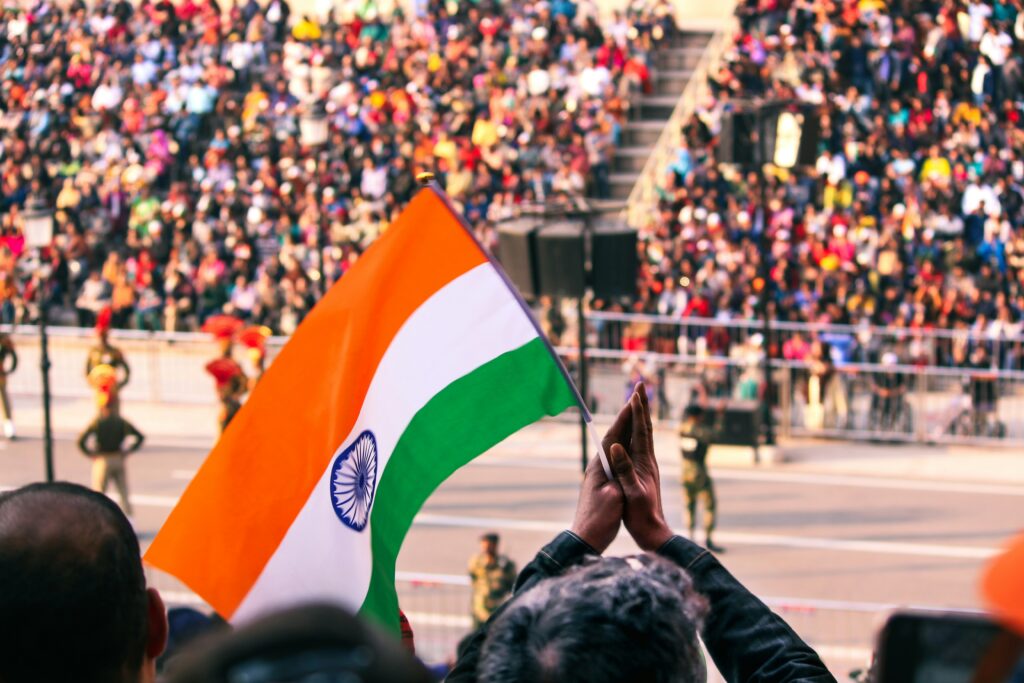
Hira Foundation works to close this gap — building civic awareness, facilitating meaningful participation, and helping communities navigate and engage with the systems that govern their lives. We believe that civic engagement is not a luxury for the educated elite — it is a fundamental right and responsibility of every citizen, and a critical pathway to accountable, responsive governance.
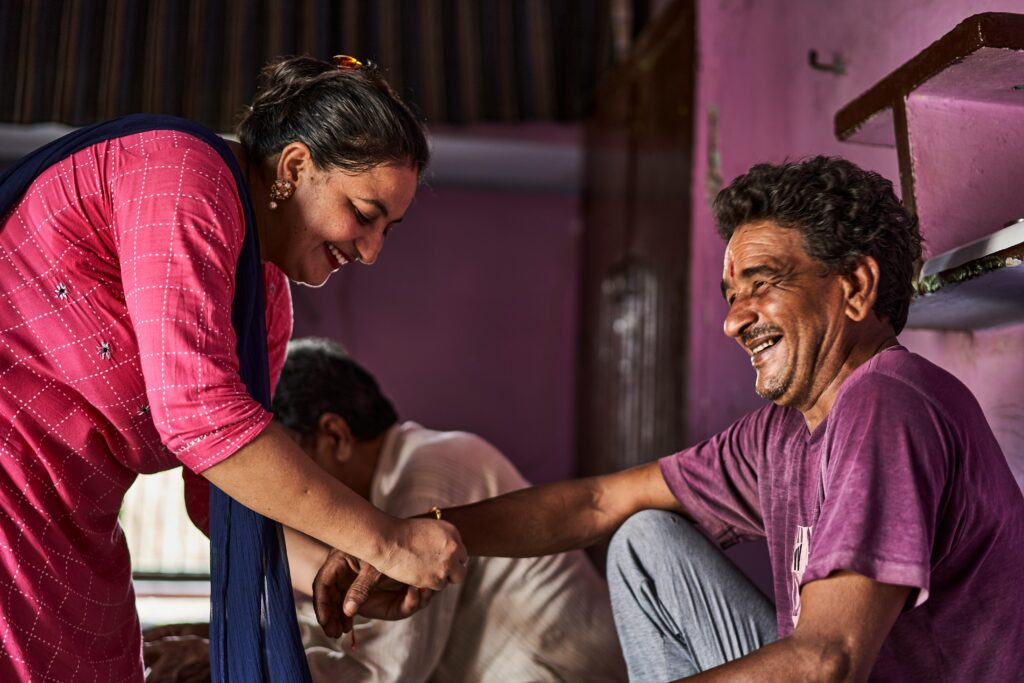
What We Do
Our Civic Participation & Governance programs build civic literacy from the ground up — starting with awareness of rights and entitlements, moving through practical skills for engaging with government systems, and culminating in active community participation in local governance processes. We work with individuals, youth groups, women’s collectives, and community organisations.
Key Focus Areas
Our Approach
We believe that civic engagement must be built from within communities — not imposed from outside. Our approach emphasises peer-to-peer learning, community dialogue, and the development of local civic champions who can sustain awareness and engagement long after our formal programs conclude.
We are also mindful of the barriers that prevent marginalised groups — particularly women, minorities, and people with disabilities — from participating equally in civic life. Our programs actively work to address these barriers, ensuring that civic engagement programs are inclusive by design rather than by accident.