
Food Security And Nutrition

Nourishing Communities. Building the Foundation for Everything Else.

Food is not just sustenance — it is the foundation upon which every other dimension of human development rests. A child who goes to school hungry cannot learn. A mother who is malnourished during pregnancy cannot give her child a healthy start. A family struggling with food insecurity cannot focus on livelihoods, health, or the future. Addressing hunger and malnutrition is therefore not just a welfare issue — it is a prerequisite for every other area of social development.

India continues to face significant challenges around food security and nutrition, with millions of households experiencing dietary insufficiency, and alarming rates of stunting and anaemia — particularly among children under five and women of reproductive age. The situation is most acute in urban informal settlements and rural areas where access to diverse, nutritious food is limited by poverty, poor infrastructure, and a lack of awareness.
Hira Foundation works at this critical intersection, addressing food insecurity not through short-term relief alone, but through sustained, community-driven interventions that improve food access, nutritional knowledge, and the resilience of local food systems.
What We Do

Our Food Security & Nutrition programs take a multi-layered approach — combining immediate nutritional support for the most vulnerable with long-term awareness, behaviour change, and system-level strengthening. We work directly with households, women’s collectives, anganwadi workers, and local health infrastructure to create change that is both immediate and enduring.

We recognise that food insecurity is not simply about the absence of food — it is also about the absence of knowledge, agency, and access. Our programs therefore address all three dimensions simultaneously.

Key Focus Areas

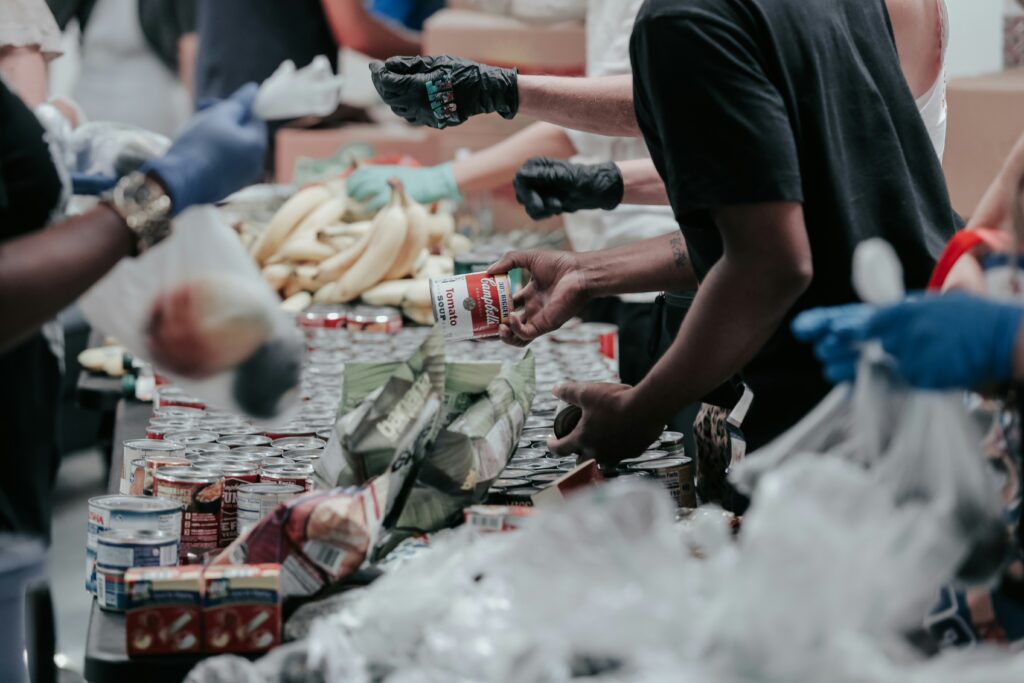
Nutritional Support & Food Distribution: We organise targeted food distribution drives and nutritional support for the most vulnerable households — including children, the elderly, pregnant and lactating mothers, and families affected by economic shocks.
Community Nutrition Awareness & Behaviour Change: Through workshops, community meetings, and door-to-door engagement, we build awareness around balanced diets, the importance of dietary diversity, safe food practices, and the critical link between nutrition and health outcomes.
Child Nutrition & Malnutrition Prevention: We work with mothers, caregivers, and community health workers to identify and address early signs of malnutrition in children, providing supplementary nutrition guidance and linking families to government nutrition schemes.
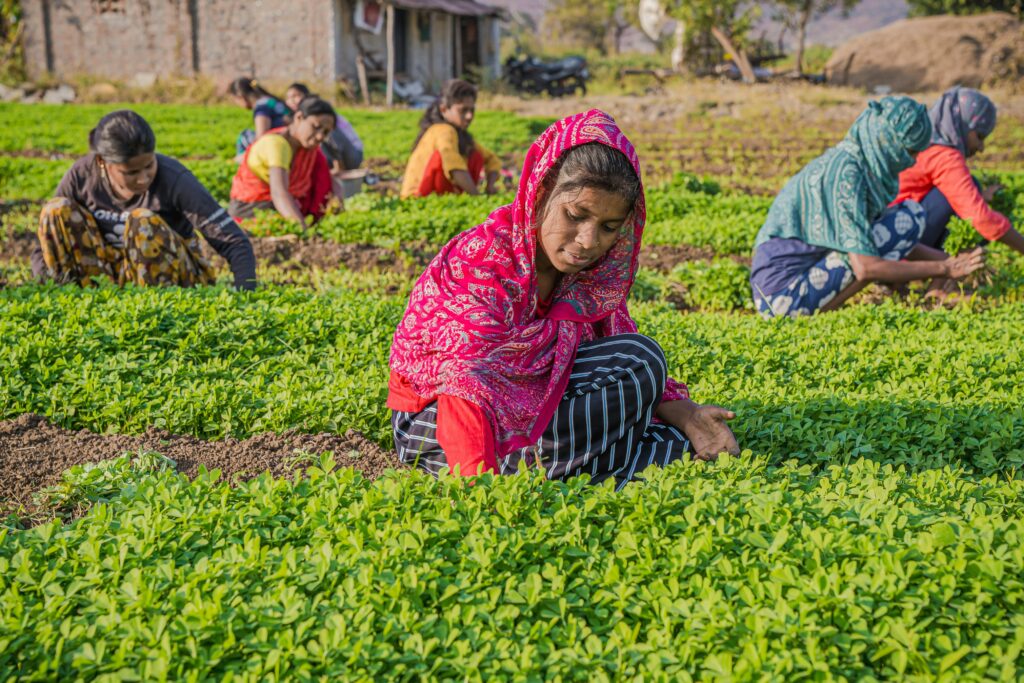
Kitchen Gardens & Urban Farming Initiatives: We promote household-level kitchen gardens and community vegetable plots as a practical, sustainable way for families to improve dietary diversity and reduce dependence on purchased food — even in dense urban settings.
Linkages to Public Food Schemes: We help communities navigate and access entitlements under government food and nutrition programs — including PDS, ICDS, and Mid-Day Meal schemes — ensuring eligible families are not excluded due to lack of awareness or documentation.
Food Safety & Hygiene Practices: We integrate food safety and hygiene awareness into all our nutrition programs, addressing practices around food storage, preparation, and water safety that directly impact nutritional outcomes.

Our Approach

Our approach to food security is grounded in dignity. We do not treat beneficiaries as passive recipients — we engage communities as active participants in designing and sustaining their own food systems. We work with women’s self-help groups (SHGs), local anganwadi workers, and community health volunteers to embed nutrition knowledge at the household level in a way that is culturally appropriate, practically actionable, and self-sustaining over time.

We also recognise that food insecurity is often seasonal and cyclical — so we design programs that build household resilience over the long term, rather than simply addressing crises as they arise.
Impact We Aim to Create

Reduced rates of acute hunger and food insecurity among target households
Improved dietary diversity and nutritional knowledge among mothers and caregivers
Early identification and referral of malnourished children to health services
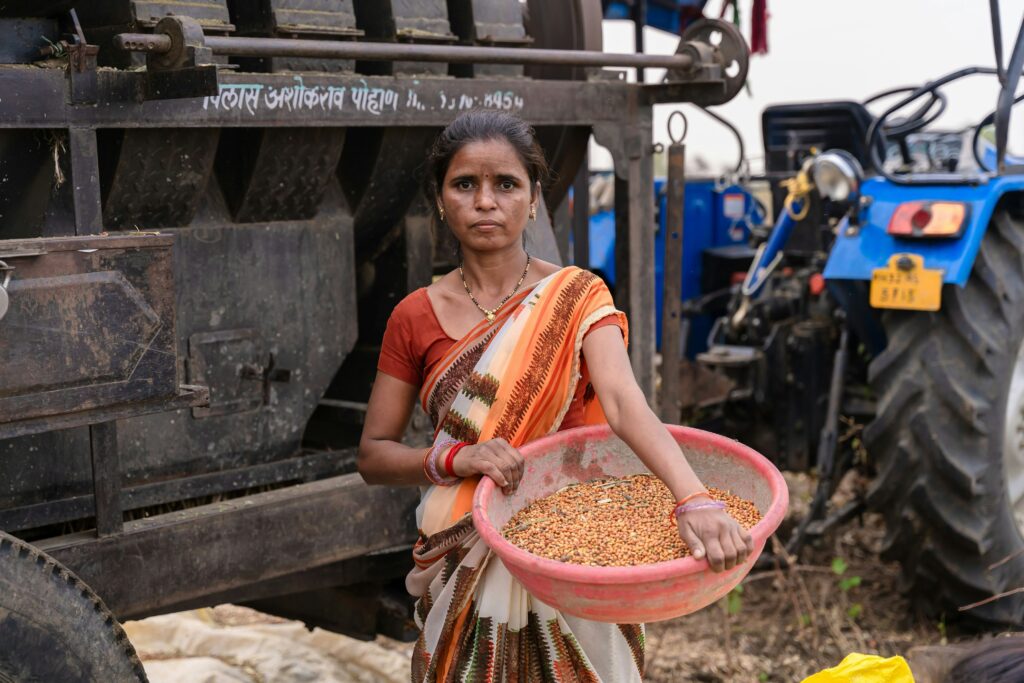
Increased household-level food production through kitchen garden initiatives
Greater uptake of government nutrition entitlements by eligible households
Improved food safety and hygiene practices at the household level