Education & Learning
Building Inclusive, Future-Ready Learners Across India
Education is the most powerful equaliser — and yet, for millions of children and young people across India’s underserved communities, access to quality learning remains a distant reality. Barriers ranging from poverty and family displacement to inadequate school infrastructure and a lack of trained teachers continue to keep children from reaching their potential.
At Hira Foundation, we believe that every child, regardless of their background or postcode, deserves a learning environment that nurtures curiosity, builds confidence, and equips them for the future. Our Education & Learning programs go far beyond classroom instruction. We build inclusive, community-embedded ecosystems where learning is relevant, accessible, and joyful — where a child from a marginalised household has the same opportunity to dream as anyone else.
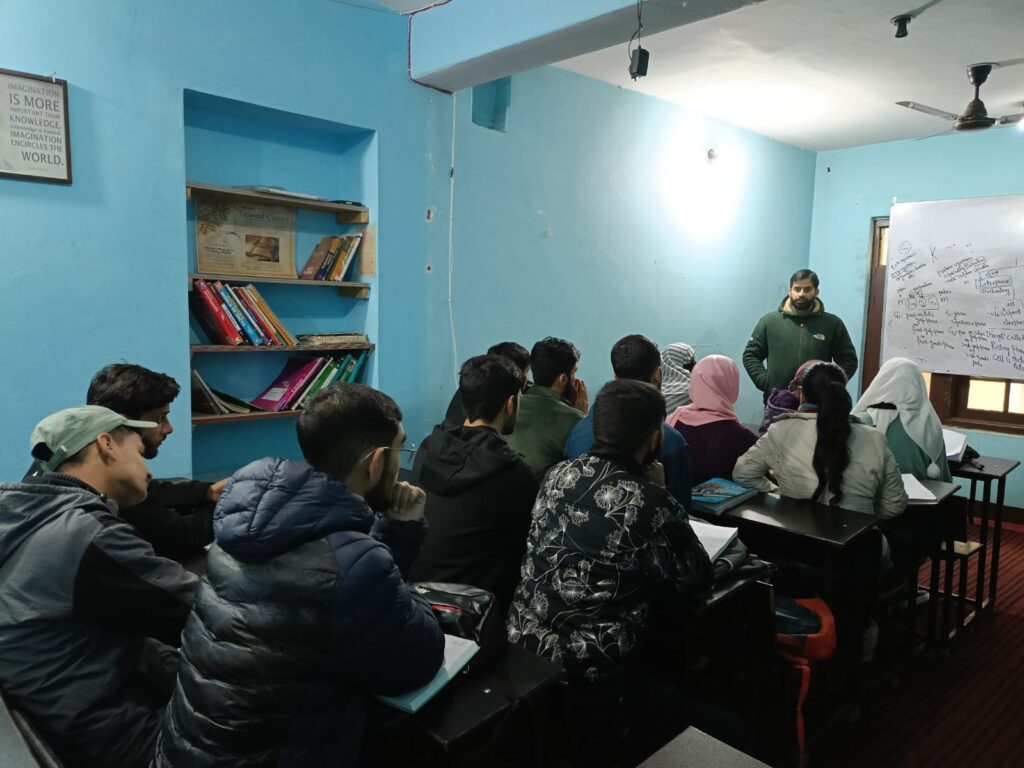
Our interventions are designed with two key principles in mind: reach and depth. We work to extend the reach of quality education into communities that formal systems have overlooked, while ensuring the depth of our programs creates lasting cognitive, emotional, and social development in every learner we touch.
What We Do
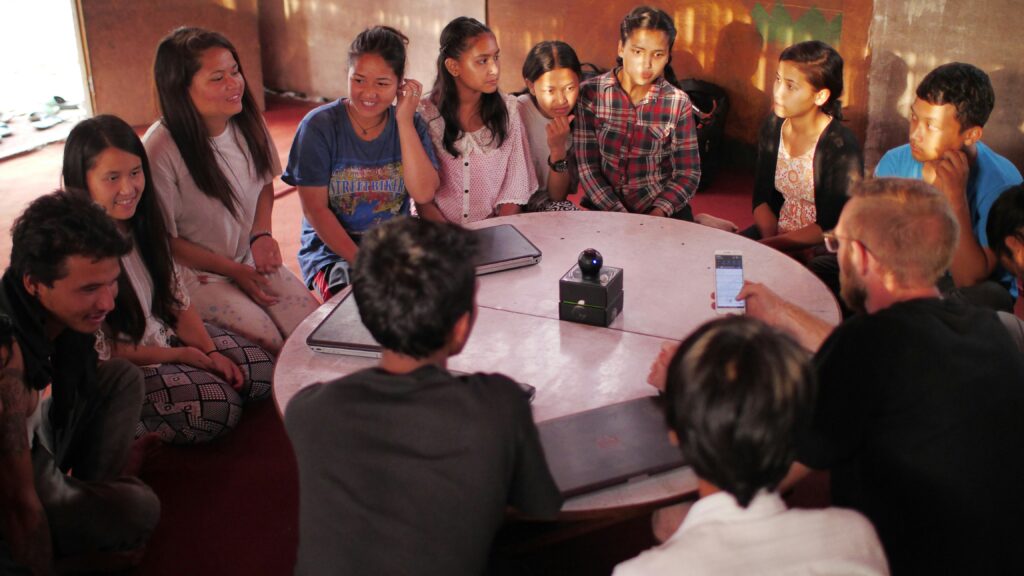
Our education programs are built around a holistic understanding of what learning truly means. We recognise that a child cannot learn on an empty stomach, that a girl cannot attend school if she doesn’t feel safe, and that a student cannot thrive if they haven’t yet mastered the foundational skills of reading and arithmetic. Every component of our work is therefore designed to address the full learning ecosystem.
We design and implement programs that combine foundational learning, life skills, digital access, and psychosocial support — working with children, their families, teachers, and local institutions simultaneously to create lasting change.
Key Focus Areas
Our Approach
We do not believe in parachuting programs into communities. Our approach is deeply collaborative — we spend time understanding the specific learning challenges of each community we work in before designing any intervention. We partner with government schools, local NGOs, community leaders, and parent groups to ensure our programs are locally anchored and institutionally supported.
Our monitoring frameworks track not just attendance and enrolment, but actual learning outcomes — measuring gains in reading fluency, comprehension, numeracy, and social-emotional skills over time. We continuously refine our programs based on what the data and communities tell us is working.